



Phosphoglycerate Dehydrogenase (PHGDH)
Phosphoglycerate dehydrogenase (PHGDH) is involved in the early steps of L-serine synthesis in animal cells. L-Serine is a pivotal amino acid since it serves as a precursor to a large number of essential metabolites besides D-serine, a major agonist of the N-methyl-D-aspartate (NMDA) receptor. PHGDH is the first and only rate-limiting enzyme in the de novo serine biosynthetic pathway and catalyzes the oxidation of 3-PG derived from glycolysis to 3-phosphohydroxypyruvate (3-PHP). Mutations in PHGDH gene have been found in a family with congenital microcephaly, psychomotor retardation and other symptoms. An increase in PGDH levels, due to overexpression, is also associated with a wide array of cancers. In culture, PGDH is required for tumor cell proliferation, but extracellular L-serine is not able to support cell proliferation. This has led to the hypothesis that the pathway is performing some function related to tumor growth other than supplying L-serine.
All Product Categories
-
Phosphoglycerate Dehydrogenase (PHGDH) Related Products (21)
Related Products (21)

- 1
- 2
-
NCT-503
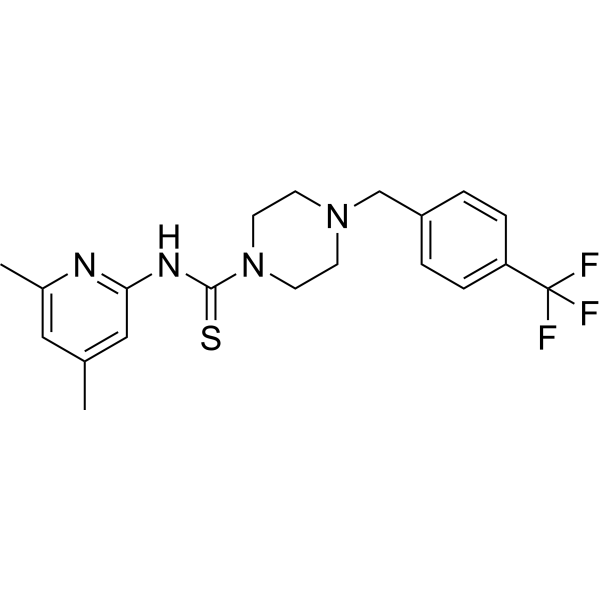 0 ImagesNCT-503 is a blood-brain barrier-permeable, non-competitive PHGDH inhibitor with an IC50 of 2.5 μM against human PHGDH. NCT-503 reduces glucose-derived serine production and the incorporation of one-carbon units into nucleotides without decreasing PHGDH protein expression. NCT-503 prevents high selenium-induced insulin resistance in mice by regulating blood glucose and insulin levels and improving glucose tolerance, and also inhibits the growth of tumors overexpressing PHGDH. NCT-503 can be used in research related to insulin resistance and breast cancer.
-
CBR-5884
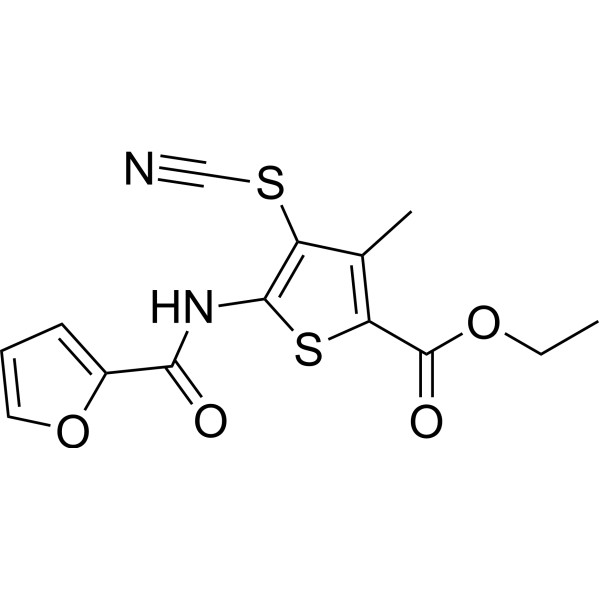 0 ImagesCBR-5884 is an active, selective inhibitor of phosphoglycerate dehydrogenase (PHGDH) with an IC50 of 33 μM. CBR-5884 inhibits de novo serine synthesis in cancer cells and is selectively toxic to cancer cell lines with high serine biosynthetic activity. CBR-5884 selectively inhibits the proliferation of melanoma and breast cancer lines that have a high propensity for serine synthesis.
-
D-(-)-3-Phosphoglyceric acid disodium
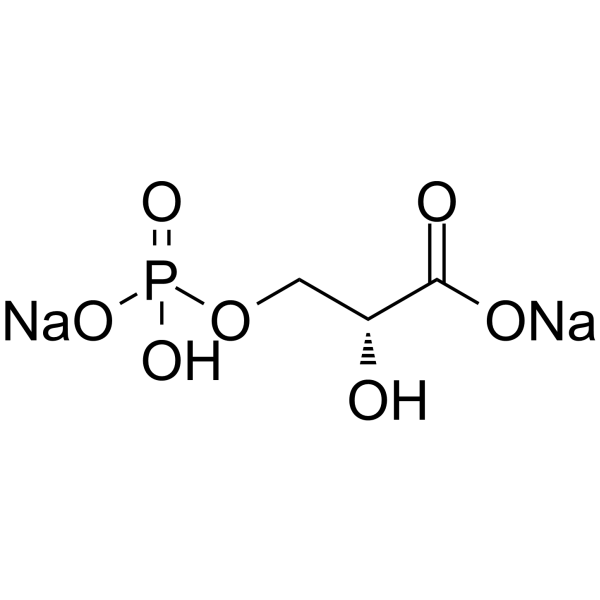 0 ImagesSynonyms: 3-Phospho-D-glyceric acid disodiumD-(-)-3-Phosphoglyceric acid (3-Phospho-D-glyceric acid) disodium is an important intermediate in the enzyme-catalyzed glycolysis process. D-(-)-3-Phosphoglyceric acid disodium competitively inhibits yeast enolase (enolase). D-(-)-3-Phosphoglyceric acid disodium can regulate the activity of phosphoglycerate dehydrogenase (PHGDH) to modulate p53 protein and apoptosis.
-
PKUMDL-WQ-2101
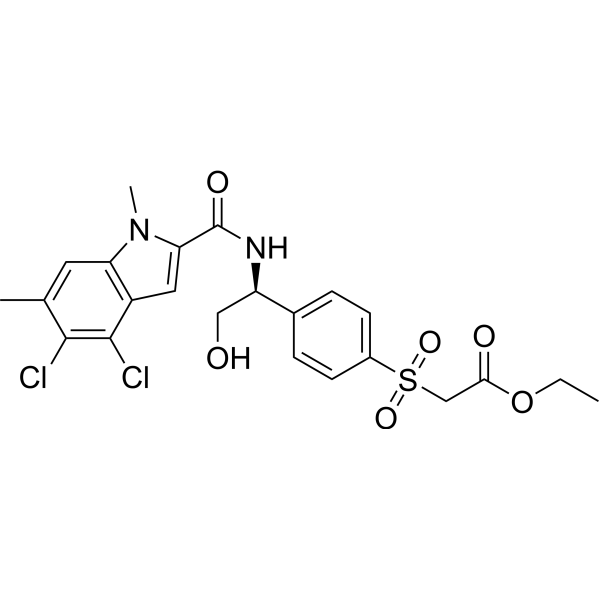
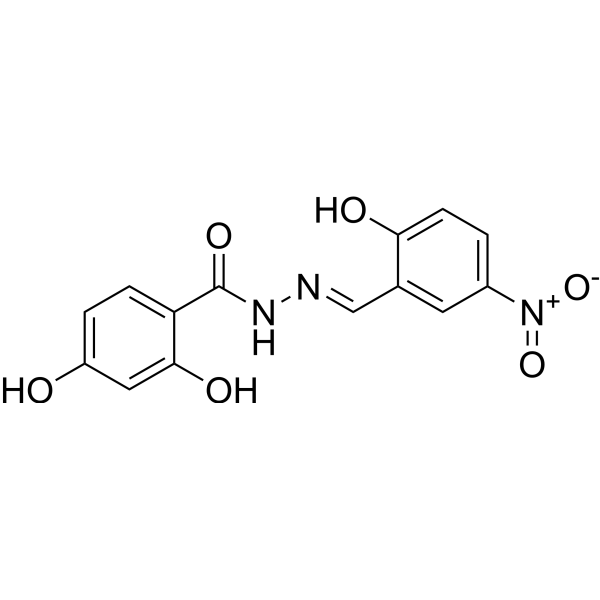 0 ImagesPKUMDL-WQ-2101 is a non-NAD+-competing allosteric phosphoglycerate dehydrogenase (PHGDH) inhibitor with an IC50 of 34.8 μM. PKUMDL-WQ-2101 exhibits antitumor activity.
-
PHGDH-IN-7
 0 ImagesCat. No.: HY-184449PHGDH-IN-7 is an orally active Cys281-targeted covalent noncompetitive PHGDH inhibitor with an enzymatic IC50 of 0.8 μM, MST Kd of 3.4 μM, and Ki of 2.82 μM. PHGDH-IN-7 disrupts PHGDH homodimer formation. PHGDH-IN-7 blocks cellular de novo serine synthesis. PHGDH-IN-7 elevates intracellular ROS levels and inhibits DNA replication. PHGDH-IN-7 resensitizes EGFR-TKI-resistant lung adenocarcinoma cells. PHGDH-IN-7 suppresses triple-negative breast tumor growth with no obvious systemic toxicity. PHGDH-IN-7 serves as a tool compound for PHGDH-dependent tumor research.
-
GDD-261
 0 ImagesCat. No.: HY-184416GDD-261 is an orally active potent allosteric PHGDH inhibitor with IC50 of 61 nM and KD of 1.17 μM. GDD-261 potently suppresses de novo serine biosynthesis via blocking the rate-limiting catalytic activity of PHGDH, elevates intracellular reactive oxygen species (ROS) and γ-H2AX levels, and reduces the GSH/GSSG ratio to trigger tumor cell oxidative stress and DNA damage. GDD-261 mainly applies to research on Erlotinib (HY-50896)-resistant EGFR-mutant non-small cell lung cancer.
-
NCT-502
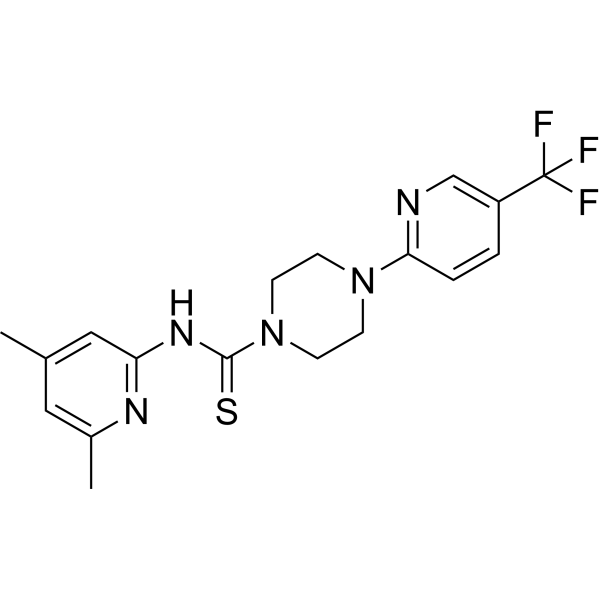 0 ImagesNCT-502 is a human phosphoglycerate dehydrogenase (PHGDH) inhibitor, cytotoxic to PHGDH-dependent cancer cells, and reduces glucose-derived serine production, with an IC50 of 3.7 μM against PHGDH.
-
iGP-1
 0 ImagesiGP-1 is a cell-permeable, selective mixed inhibitor of mitochondrial sn-glycerol-3-phosphate dehydrogenase (mGPDH), with IC50s of 6.3 μM and 13.6 μM for rat mGPDH activity and H2O2 production, respectively. iGP-1 specifically blocks the mitochondrial component of the glycerophosphate shuttle without affecting cytosolic GPDH. iGP-1 not only inhibits cell proliferation and glutaminolysis, and enhances glycolysis, but also significantly alters key cellular physiological processes such as apoptosis, ROS production, HIF-1α stability and mitochondrial membrane potential. iGP-1 remains active in neutrophil cultures under both normoxic and hypoxic conditions, and serves as an ideal probe for glycerol-3-phosphate metabolic mechanisms. iGP-1 has been applied to studies on prostate cancer and related metabolic pathways.
-
BI-4924
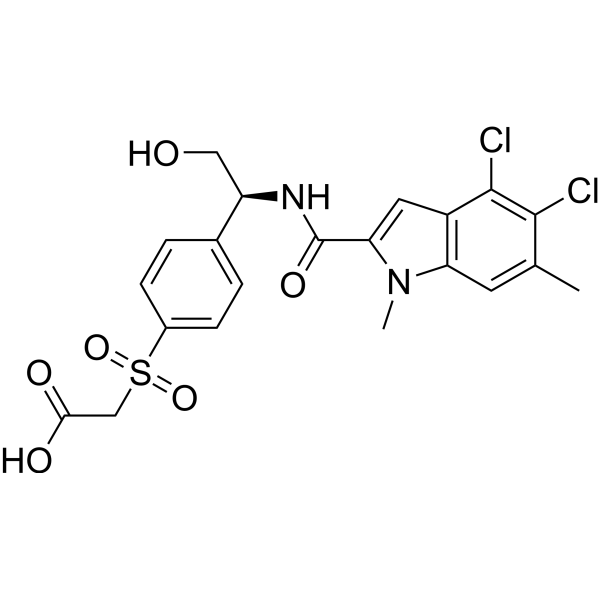 0 ImagesBI-4924 is a lipophilic, highly plasma protein bound selective phosphoglycerate dehydrogenase (PHGDH) inhibitor (IC50=3 nM) with excellent microsomal, as well as hepatocytic stability. Intracellular trapping of BI-4924 disrupts serine biosynthesis with an IC50 of 2200 nM at 72 h.
-
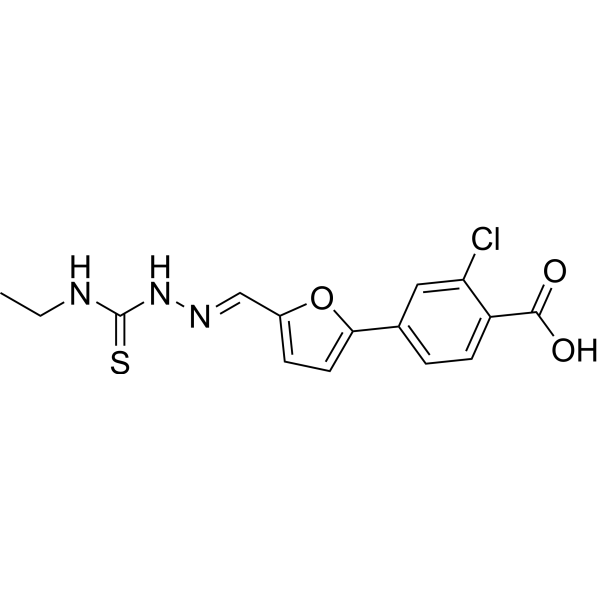
PHGDH-inactive
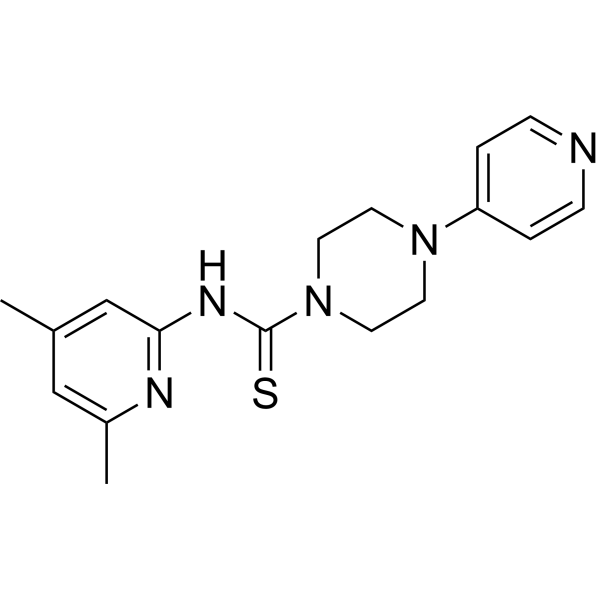 0 ImagesPHGDH-inactive has no activity against PHGDH and serves as a negative control of NCT-502 and NCT-503.
-
PHGDH-IN-3
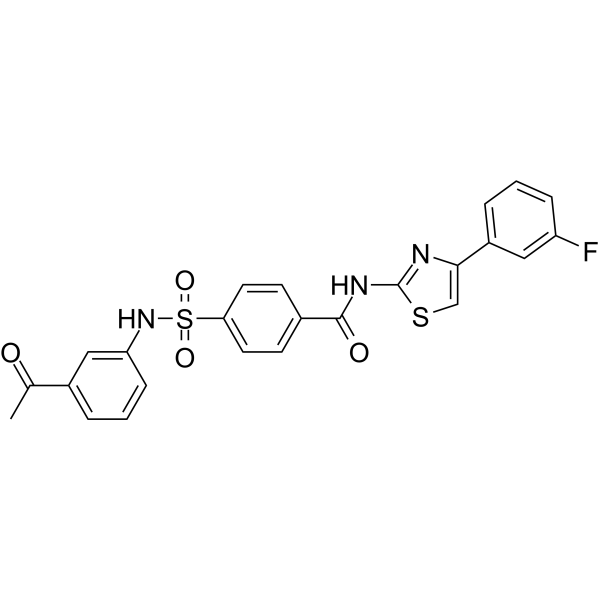 0 ImagesPHGDH-IN-3 is an orally active phosphoglycerate dehydrogenase (PHGDH) inhibitor. PHGDH-IN-3 inhibits PHGDH with an IC50 value of 2.8 μM. PHGDH-IN-3 can be used for the research of cancer.
-
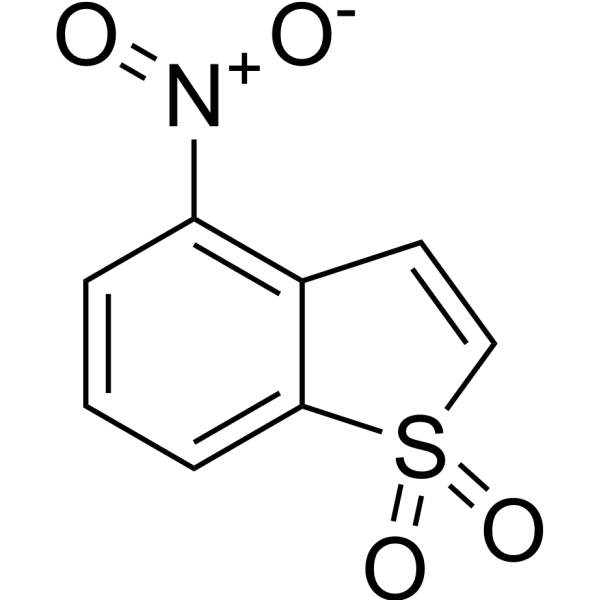
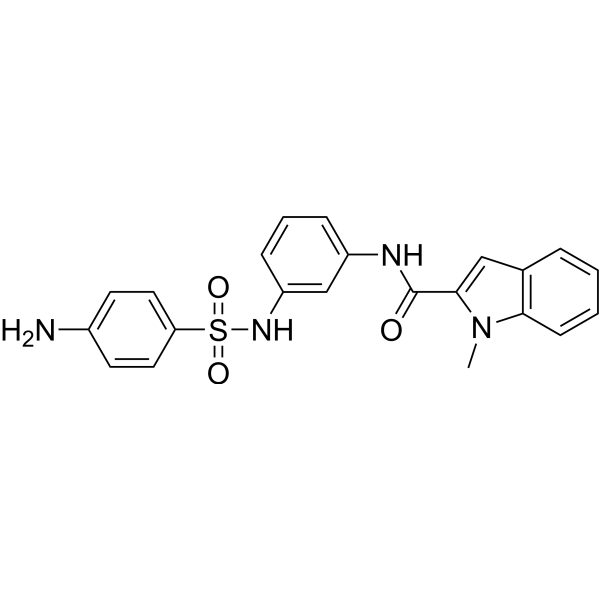
LXH-3-71
 0 ImagesCat. No.: HY-177742CAS No.: 2251753-65-6LXH-3-71 is a PHGDH degrader. LXH-3-71 acts as a molecular glue to enhance the interaction of the PHGDH-DDB1-CRL E3 ligase complex, triggering ubiquitination and proteasomal degradation of PHGDH. LXH-3-71 regulates the stemness of colorectal cancer cells and inhibits tumor proliferation and colony formation. LXH-3-71 can be used in the research of colorectal cancer.
-
PHGDH-IN-6
 0 ImagesCat. No.: HY-179652PHGDH-IN-6 is a phosphoglycerate dehydrogenase (PHGDH) inhibitor with an IC50 of 2.5 μM. PHGDH-IN-6 binds to the allosteric pocket of PHGDH, and its inhibitory activity is not affected by NAD+ concentration. PHGDH-IN-6 can be used in research related to cancer and Alzheimer's disease.
-
Z1609609733
 0 ImagesCat. No.: HY-126278CAS No.: 2375374-15-3Z1609609733 (Compound 18) is a non-covalent 3-Phosphoglycerate dehydrogenase (PHGDH) inhibitor with an IC50 of 1.46 μM. Z1609609733 significantly inhibits serine synthesis and cancer metabolism with complete abrogation of cell proliferation.
-
DNS-pE
 0 ImagesCat. No.: HY-125273CAS No.: 2196245-98-2DNS-pE is a 3-phosphoglycerate dehydrogenase (PHGDH) inhibitor with a Ki of 7.4 μM. DNS-pE selectively and irreversibly covalently modifies endogenous PHGDH in live mammalian cells, its vinyl sulfone moiety acts as a fluorescence quencher that becomes highly fluorescent upon covalent modification of PHGDH. DNS-pE can be used as a fluorescent dye for live-cell imaging.
-
NCT-503 (Standard)
 0 ImagesCat. No.: HY-101966RCAS No.: 1916571-90-8NCT-503 (Standard) is the analytical standard of NCT-503 (HY-101966). This product is intended for research and analytical applications. NCT-503 is a blood-brain barrier-permeable, non-competitive PHGDH inhibitor with an IC50 of 2.5 μM against human PHGDH. NCT-503 reduces glucose-derived serine production and the incorporation of one-carbon units into nucleotides without decreasing PHGDH protein expression. NCT-503 prevents high selenium-induced insulin resistance in mice by regulating blood glucose and insulin levels and improving glucose tolerance, and also inhibits the growth of tumors overexpressing PHGDH. NCT-503 can be used in research related to insulin resistance and breast cancer.
- 1
- 2



